Key Takeaways
- Myopia happens when the eye grows a bit too long, so distant objects look blurry.
- Family history raises the odds that a child becomes nearsighted.
- Long hours of reading and screen use can add to the strain on young eyes.
- Regular time outdoors in daylight is linked to lower myopia risk in children.
- Special lenses and drops can help slow how fast myopia progresses.
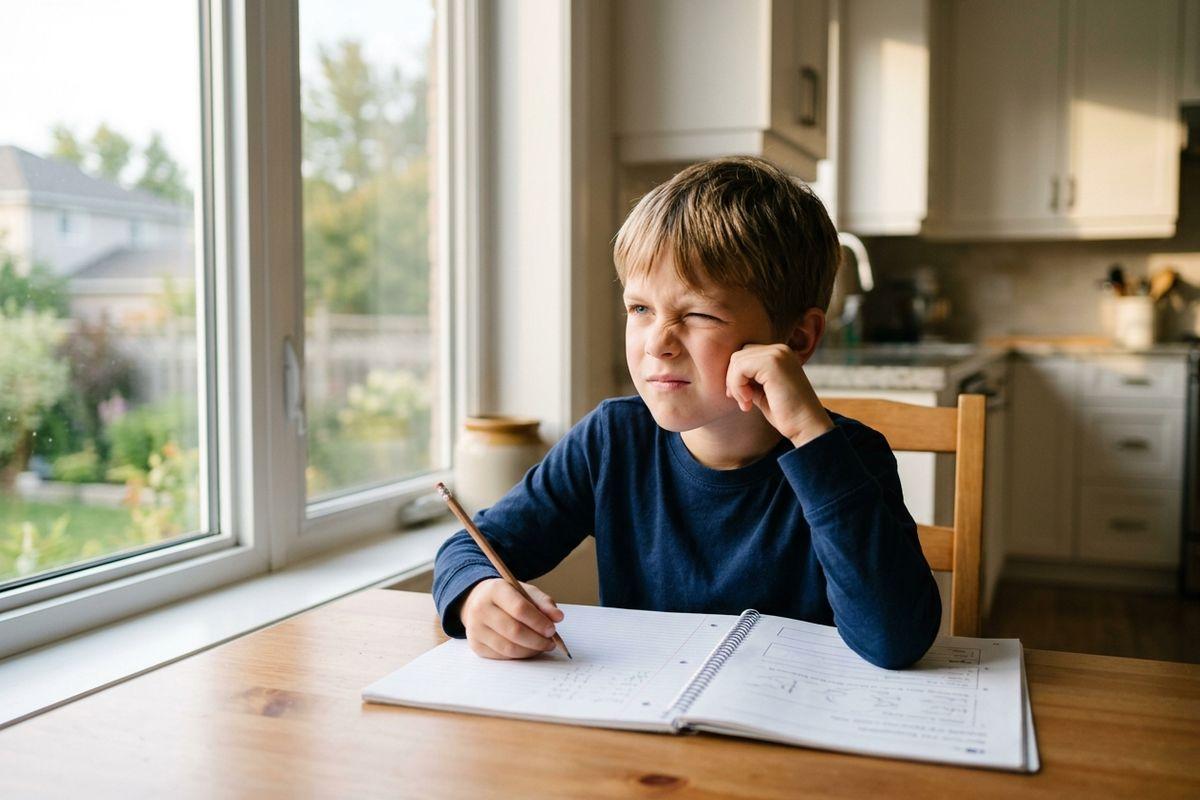
Your child squints at road signs, mentions that the whiteboard looks fuzzy, and watches small print across the room turn into a blur. That is what myopia, or nearsightedness, feels like day to day, and our team at Collingwood Optometry sees this pattern frequently.
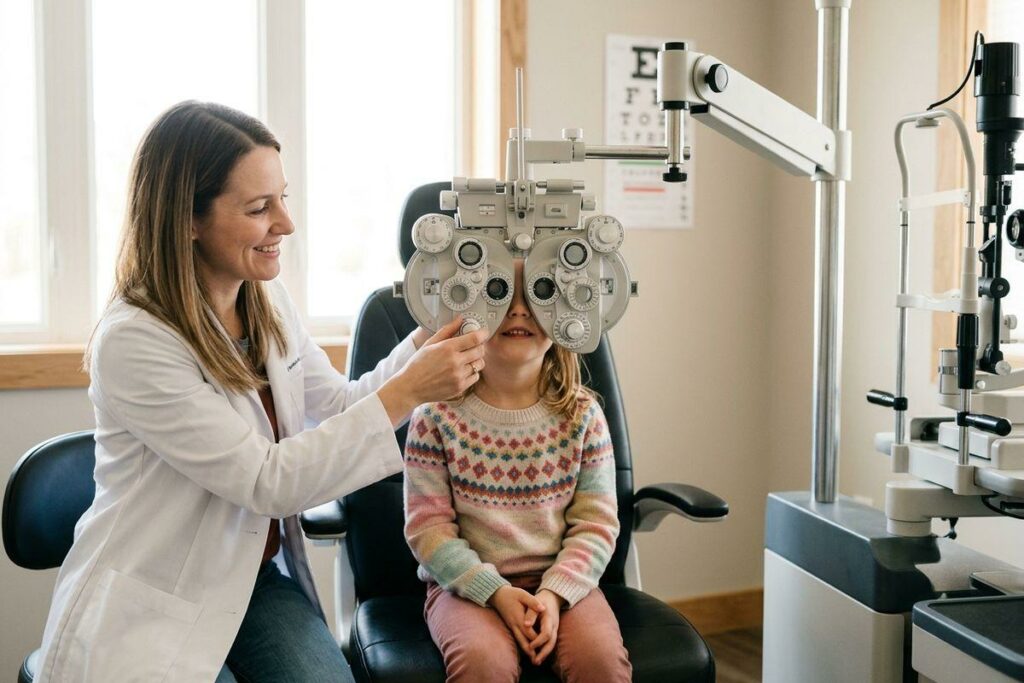
Myopia is primarily caused by the eyeball growing slightly too long or the cornea curving too steeply. Because of this shape change, light lands in front of the retina rather than directly on it, which makes distant objects appear blurry. During your child’s eye exam, our team can walk you through what is happening and discuss the best options to protect their vision.
How the Eye Focuses Light
Think of your eye like a camera. Light passes through the front, and a healthy eye focuses that light onto the retina at the back. With myopia, the focus point sits a little short, so close work typically stays clear while distance looks blurry. If you want to see how this compares with farsightedness, the difference between myopia and hyperopia comes down to where that focus point falls.
Genetics and Family History
Your genes play a big part. If one or both parents are nearsighted, a child has higher odds of becoming nearsighted too. That does not mean it is set in stone, but it does mean these families benefit from earlier and more regular checks.
Myopia is also showing up more across the world. Researchers project that about half the global population could be nearsighted by 2050.
Screen Time and Close Work
Hours spent doing up close work can add strain. Reading, homework, phones, and tablets keep the eyes locked on near targets for long stretches, and this pattern is linked to faster myopia progression in children.
You do not have to ban screens to help. A simple habit like the 20-20-20 rule gives young eyes a regular break. For every 20 minutes of near work, have your child look at something 20 feet away for at least 20 seconds.
If your child rubs their eyes, gets headaches, or loses focus after long sessions, that discomfort may point to digital eye strain, which our team can check during an exam.
How Outdoor Time Affects Vision
Daylight matters more than many parents expect. Children who spend more time outdoors tend to have a lower risk of becoming nearsighted, and research on outdoor time and myopia points to bright natural light as the likely reason.
Two hours of outdoor play each day is a reasonable target. It gives the eyes a break from close work and exposes them to the kind of light that seems to help slow eye growth. When correction is needed, myopia control glasses can pair well with these daily habits.
Ways to Slow Myopia Progression in Children
You cannot undo myopia, but you can slow its progression. The goal is to keep the prescription from climbing quickly, since higher myopia carries more long-term risk.
Several approaches can help. Specialty contact lenses and spectacle lenses redirect side light to ease the signal that tells the eye to keep growing. Low-dose atropine eye drops are another option that can reduce progression in children. Our team can build a plan through our myopia control program based on your child’s age, prescription, and daily routine.
Next Steps for Clearer Vision
Myopia is common, and it is manageable with the right care. Early checks, smart screen habits, outdoor time, and control options when needed can all work together to protect your child’s vision over the years.
If distance vision has changed for you or your child, our team at Collingwood Optometry can help you sort out the cause and your options. Reach out to our team in Collingwood to book an exam and start a plan that fits your family.