
Key Takeaways
- Myopia blurs faraway objects, while astigmatism can blur vision at all distances.
- Toric contact lenses can correct both conditions in a single lens.
- Daily, biweekly, monthly, and rigid gas permeable lenses each suit different needs.
- Dry eyes or certain health conditions can affect whether contacts are a good fit.
- A contact lens fitting matches the lens to your eye shape and comfort.
You’ve been told you have both myopia, also known as nearsightedness, and astigmatism, and now you’re wondering if contact lenses can handle two things at once. That question comes up often at Collingwood Optometry, where many people want the convenience of contacts without giving up clear vision. A contact lens fitting can point you toward lenses made for your eyes.
Yes, you can wear contact lenses with both astigmatism and myopia, and a single toric lens can correct both at the same time.
What It Means to Have Both Astigmatism and Myopia
You squint at a road sign that should be easy to read. The words stay fuzzy no matter how hard you focus. That’s often myopia, or nearsightedness, where things far away look blurry while close-up work typically stays clear.
Astigmatism works a little differently. It blurs both near and far vision because the front of your eye has an uneven shape, more like a football than a round ball. Light lands in more than one spot instead of a single point, so text and edges look soft or doubled.
These two conditions show up together more often than you might think. If you’ve been told you have both, you can still find lenses made to handle each one at the same time.
How Contact Lenses Correct Astigmatism and Myopia
Contact lenses bend light before it reaches the back of your eye, so it lands where it should for a clear image. For myopia, the lens softens the focus so distant objects sharpen up.
Astigmatism needs a lens that matches your eye’s uneven shape. Toric lenses do that job, and a single toric lens can correct myopia and astigmatism together. You get one lens per eye instead of juggling separate fixes.
What Toric Lenses Do
A toric lens carries different powers across different parts of the lens. That way, one area handles the astigmatism, and another handles the myopia.
These lenses are also weighted so they settle into one position on your eye and stay there. That steady placement keeps your vision from shifting when you blink or look around.
Contact Lens Options to Explore
You have a few paths depending on your day-to-day life and how your eyes feel. Our team can walk you through what fits your routine. Options can include:
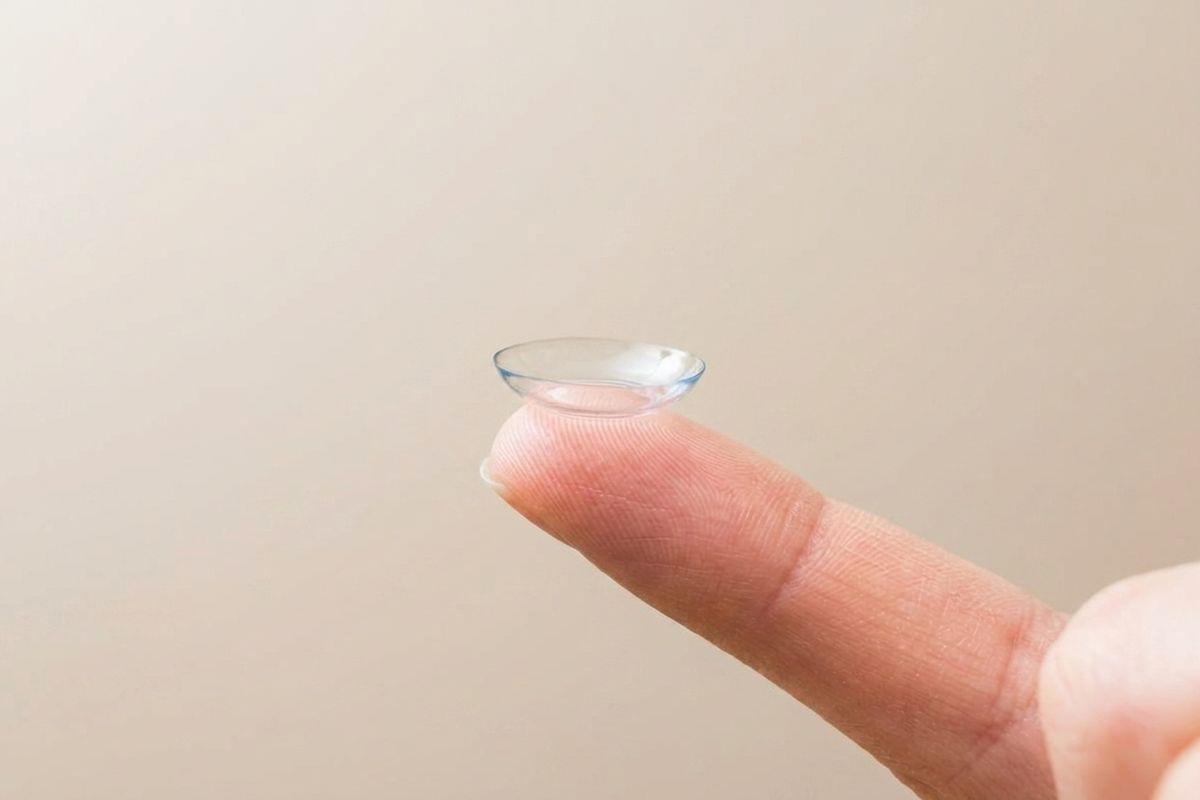
- Daily disposable soft lenses that you toss each night, which cuts down on cleaning and buildup.
- Biweekly and monthly lenses that cost less over time and suit people who don’t mind a care routine.
- Rigid gas permeable lenses that hold their shape well and can help with higher astigmatism or stronger prescriptions.
Each option comes with trade-offs around comfort, cost, and upkeep. What works for a busy parent might feel different for someone who reads for hours a day.
Who Might Not Be a Good Fit for Contacts
Contacts suit many people, though not everyone. Some eyes and lifestyles do better with glasses, and that’s worth knowing before you invest time and money. Contacts may not be right for you if you have:
- Eyes that feel dry, gritty, or irritated on a regular basis.
- Certain health or eye conditions that affect how lenses sit or how your eyes respond.
- A schedule that leaves little room for the daily cleaning and handling lenses need.
None of these rule out contacts on their own. They’re simply things your eye doctor considers so we can recommend what is best for your life.
How a Fitting Helps
A fitting is where the guesswork drops away. Your eye doctor measures your eye, checks how the lens moves, and confirms enough oxygen reaches the surface so your eyes stay healthy through the day.
From there, your prescription gets tailored to your eyes, not a rough average. Small tweaks in size, shape, or power can turn an okay lens into one you forget you’re wearing.
What to Expect During a Contact Lens Exam
Your first visit centres on a personalized contact lens fitting. You’ll try lenses, share how they feel, and adjust from there rather than settling for the first pair.
Our team also shows you how to wear and care for your lenses safely, from clean handling to knowing when to swap them out. Follow-up visits allow your eye doctor to fine-tune your prescription as your eyes change over time.
Come See Us
If you’re ready to see whether contacts for astigmatism and myopia can work for you, our team at Collingwood Optometry can help. Book a contact lens fitting today and take the next step toward clearer, more comfortable vision.